

The Science Behind Affirmations: How Words Calm Your Nervous System
The Science Behind Affirmations: How Your Nervous System Listens
When you repeat an affirmation like “I am safe” or “I am capable”, it might feel simple—even a little too simple. But behind the words, something powerful is happening: your nervous system is listening. Science shows us that affirmations aren’t just “feel-good” phrases. They can actually rewire the way your body and brain respond to stress, safety, and self-worth.
Why Your Nervous System Cares About Words
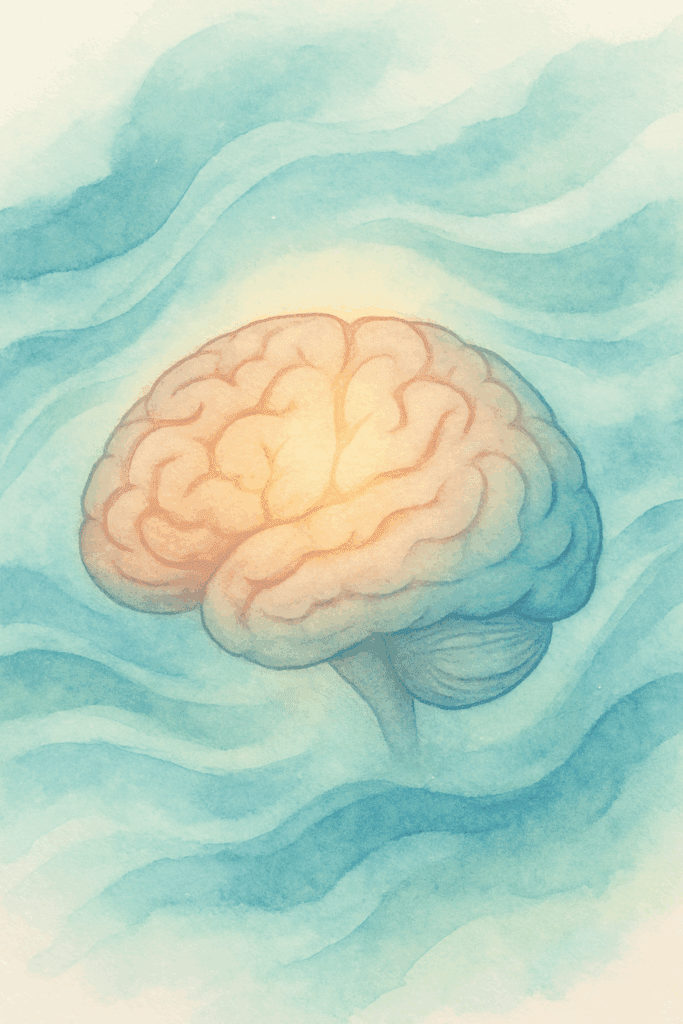
Your nervous system—the network of your brain, spinal cord, and nerves—acts like your body’s communication highway. It’s constantly scanning for danger or safety, deciding whether to put you in fight-or-flight mode or in a calmer, more regulated state.
When you speak or think affirmations, your brain doesn’t brush them off as “just words.” Instead, it processes them as input. Research shows that positive self-talk can activate areas of the brain linked to self-regulation, emotional balance, and resilience. Over time, affirmations can become signals of safety—helping your nervous system relax instead of react.
The Mind-Body Loop
Think of affirmations as small cues that shift your inner dialogue. For example:
- Saying “I am safe” tells your nervous system to ease its hyper-alert state.
- Saying “I am strong enough for this moment” boosts your brain’s ability to stay present and resourceful.
- Saying “I am worthy” calms the stress response triggered by old patterns of self-doubt.
These cues move through the mind-body loop: thoughts influence emotions, emotions influence physical responses (like heart rate and muscle tension), and physical responses reinforce your mental state. Affirmations slip into this loop as gentle nudges, guiding your system toward balance.
What Science Says About Affirmations
- Neuroplasticity: Your brain is constantly rewiring itself based on repeated experiences. Affirmations, spoken consistently, create new neural pathways that make positive beliefs easier to access.
- Stress Regulation: Studies show that affirmations reduce cortisol levels (your main stress hormone), especially when combined with slow breathing.
- Performance & Focus: Research from self-affirmation theory finds that affirmations help people perform better under pressure, from academics to athletics, by reducing the “threat” response.

How to Use Affirmations So They Stick
Affirmations aren’t magic spells—you need consistency and intention. Try:
- Pairing with Breath: Say an affirmation on your inhale, and release tension on the exhale.
- Making It Present-Tense: Use words like “I am” or “I choose” so your nervous system experiences the belief now, not later.
- Writing It Down: Journaling your affirmations makes them even more tangible.
- Repetition Over Time: The more your brain hears it, the more it believes it.
Take These With You: Nervous-System-Calming Affirmations
Here are a few simple phrases you can try today:
- I am safe in this moment.
- I trust myself to handle what comes.
- My breath brings me back to calm.
- I am grounded and present.
- I deserve peace.
- I am enough, exactly as I am.
✨ Try speaking one of these slowly, pairing it with your breath, and noticing how your body feels.