
When Your AI Becomes Your Therapist — The Hidden Mental Health Risks of Talking to Chatbots
Technology is changing everything — even how we process emotions.
These days, more people are turning to AI chatbots for comfort, venting, or advice. And while these tools can be helpful in moderation, there’s a growing concern about what happens when they start replacing real emotional connection.
💬 The Comfort and the Catch
AI chatbots are designed to be responsive, empathetic, and available 24/7 — qualities many of us crave. For someone who’s isolated, anxious, or just overwhelmed, having a “listening ear” at any hour can feel like a lifeline.
But here’s the catch: AI doesn’t truly understand us.
It mirrors emotion. It predicts words. It can simulate empathy — but it can’t provide it. And when we begin to confide more in technology than in humans, we risk reinforcing loneliness instead of healing it.
⚠️ The Hidden Risks
Researchers and therapists are starting to notice emotional “feedback loops.” When users turn to AI for comfort too often, it can:
- Blur emotional boundaries (talking to AI like a friend or therapist)
- Reduce motivation to seek human support
- Reinforce echo chambers (“the bot always agrees with me”)
- Create unrealistic emotional expectations in relationships
Even OpenAI, the company behind ChatGPT, acknowledges that these systems aren’t designed to replace therapy or long-term emotional care.
🌿 What to Do Instead
AI can be a tool — but it should never be your only one.
If you’re using an app to manage mental health, pair it with real practices:
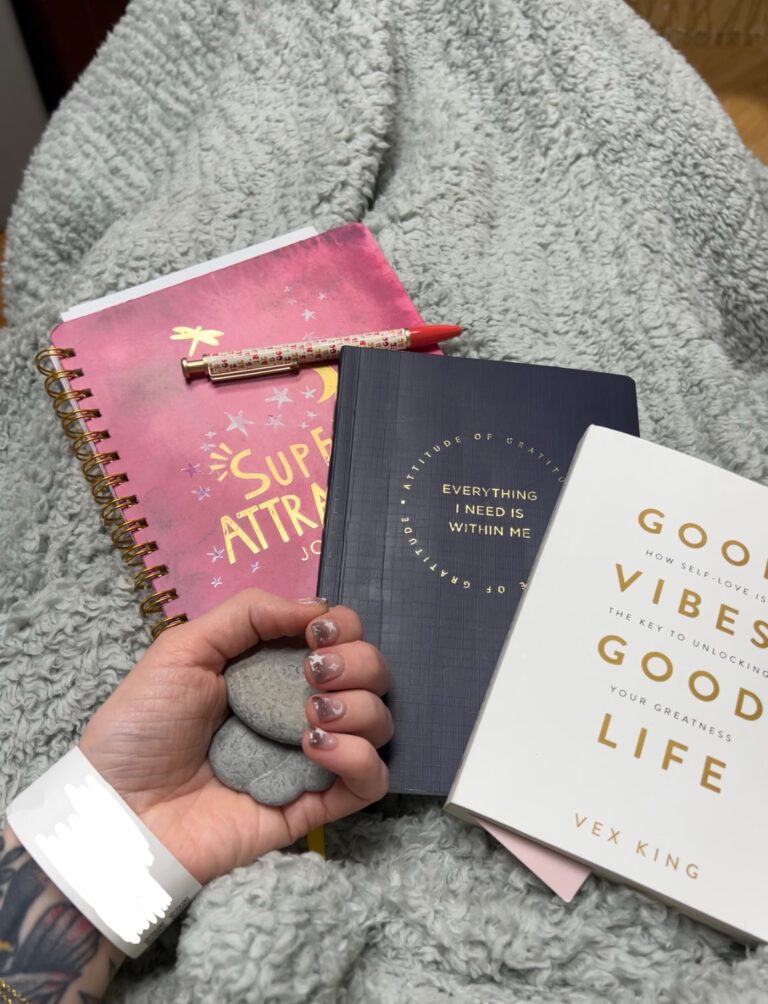
- Journaling your emotions by hand
- Talking to a trusted person weekly
- Using AI prompts for self-reflection (not comfort-seeking)
- Setting limits: only use chatbot tools during intentional “reflection time”
The goal is to let tech support your humanity — not substitute for it.
💛 Final Thought
AI is evolving faster than ever, but emotional healing still requires human warmth.
So if you find yourself typing out your feelings at 2 a.m., take a breath.
Ask yourself: “Is this helping me connect deeper — or pulling me further away?”
Sometimes, the most grounding connection is still the one right in front of you.